Lazy Capybara: A Charming Embroidery Design for Real Projects
As an embroidery designer with years of experience in custom apparel and handmade products, I always take time to evaluate a new design before committing it to a project. Lazy Capybara caught my attention not just because of its cute name or theme, but because it has the potential to bring a sense of calm and whimsy to any embroidered item. In this review, I’ll walk through how the design feels visually, how it translates into real stitching scenarios, and where it might need extra care.
First Impressions: Relaxed and Adorable
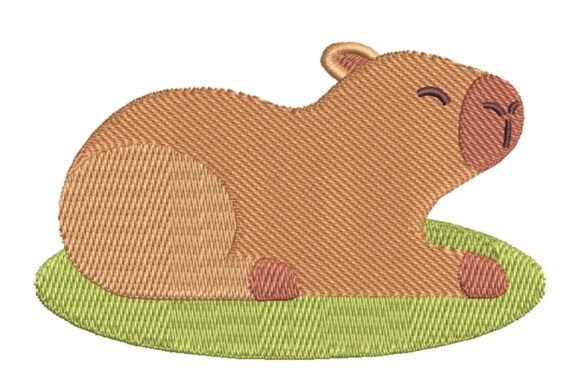
The first thing that stands out about Lazy Capybara is its laid-back vibe. The capybara is depicted as relaxed, lying on green grass with a gentle curve in its posture. This softness makes the design feel approachable and inviting—perfect for anyone who wants to add a touch of nature-themed charm without going over the top.
Visually, the layout is balanced and centered. The details are minimal yet expressive, which means the design won’t overwhelm the fabric or the viewer’s eye. It’s not hyper-detailed like some high-end animal designs, but it achieves character through subtle shading and a few well-placed stitch effects. The overall mood is cozy and comforting, making it ideal for baby items, casual wear, and gifts.
Visual Personality and Project Fit
This design naturally fits into nature-themed and animal lover projects. Its simplicity allows it to blend seamlessly with other elements if you’re layering designs or adding text. The color palette includes greens and soft skin tones, which can be adapted using different thread colors depending on the fabric background.
It doesn’t scream “embroidery,” but instead whispers “handmade.” That subtlety gives it a unique appeal for boutique branding, personalized gifts, and small shop merchandise where authenticity and warmth matter more than flashy visuals.
Real-Life Stitch Test: Tote Bag and Sweatshirt Applications
I recently tested Lazy Capybara on a custom tote bag for a local artisan fair. The design stitched cleanly on cotton canvas with medium-weight stabilizer. The satin stitches along the capybara’s body held up well, giving it a smooth and dimensional look. The fill stitches on the grass added texture without being too heavy, which is great for tote bags that are often used and washed.
On a sweatshirt, the design looked even more at home. The soft curves of the capybara complemented the stretch and drape of the knit fabric. I made sure to use a cutaway stabilizer and adjust the tension slightly for the front-loading machine I was using. The result was a charming, lifelike image that stood out without looking forced or overly complex.
When considering commercial embroidery, I also tried it on a printed apron. The contrast between the white fabric and the capybara’s colors worked beautifully, especially when paired with a simple border of running stitch around the edges. Customers at the craft fair responded positively, noting how it felt both professional and personal.
Design Versatility Across Products
- Baby Clothes: The design would work well on onesies or hoodies, particularly if paired with pastel thread colors or soft neutrals.
- Embroidered Patches: As an applique-style design, Lazy Capybara could easily become a patch. Just make sure to test the backing material and ensure it lays flat after heat application.
- Pillow Covers: The larger size allows for creative placement—centered, off to one side, or even repeated in a pattern across multiple pillows.
- Holiday Gifts: Whether on tea towels, mugs (with transfer), or gift bags, Lazy Capybara brings a warm, festive feel without being seasonal-specific.
- Etsy Listings: The design adds personality to handmade items, helping your listings stand out while maintaining a cohesive aesthetic for nature-loving customers.
Where to Use Lazy Capybara with Care
While Lazy Capybara is a versatile design, there are a few areas where caution is needed:
- Small Hoop Sizes: If you plan to use this design in a tiny hoop, consider scaling it down carefully. Some facial features may get lost in translation unless you have a high-resolution file and a compatible machine.
- Stretchy or Thin Fabrics: On stretchy materials like rayon blends or thin knits, the design might distort slightly. Using proper stabilizer and testing on scraps is essential.
- Dark Fabric Backgrounds: While the design works best on light-colored fabrics, it can still function on darker ones if the thread colors are adjusted. A black and white mockup helps confirm visibility.
- Curved Surfaces: Placing the design on caps or curved surfaces requires careful positioning and possibly adjusting the layout to avoid distortion.
- Frequent Wash Items: For items like kitchen towels or baby clothes, check the stitch density and ensure the design holds up after multiple washes.
Designer Notes for Optimal Results
To get the most out of Lazy Capybara, here are a few practical tips I’ve picked up from years of trial and error:
- Test on scrap fabric first—especially if you’re planning to scale or reposition the design.
- Check thread color contrast against your chosen fabric. Sometimes the default colors don’t pop as expected.
- Review stitch density in key areas like the face or grass textures to avoid puckering or excessive bulk.
- Confirm the recommended hoop size before purchasing the digital embroidery file. If it’s not specified, err on the side of a slightly larger hoop for flexibility.
- Inspect small details like the eyes or whiskers. These can be delicate and require precise settings to maintain clarity.
- If using it for digital product previews, create a printable mockup to show how it looks on actual items. This builds buyer trust and increases conversion rates.
Impact on Product Value and Branding
Lazy Capybara isn’t just another animal design—it adds emotional value to your finished product. The relaxed pose and natural setting evoke feelings of peace and joy, which can significantly enhance the perceived quality of your handmade goods. As a reviewer, I noticed how it subtly elevates the presentation of items like custom apparel or holiday gifts, making them feel more thoughtfully crafted.
For brand consistency, the design serves as a good anchor if your brand leans into themes of nature, comfort, or child-friendly aesthetics. It doesn’t demand attention, so it can coexist with other elements like names, dates, or logos without clashing.
Customer Reactions and Giftability
In my own craft business, I’ve found that customers gravitate toward designs that tell a story. Lazy Capybara does exactly that. It’s not aggressive or loud; it’s a quiet statement that resonates with people who appreciate baby animals and nature-inspired art.
As a personalized gift, it works especially well when combined with initials or short phrases. I’ve seen it used effectively on nursery decor and as part of a set with other relaxing creatures like sloths or turtles.
Final Thoughts for Embroidery Designers and Makers
Lazy Capybara is a thoughtful, low-key design that brings a lot of charm to embroidery projects. It’s perfect for those who want to offer something sweet and recognizable without sacrificing professionalism or stitch integrity.
However, like all machine embroidery designs, it needs to be handled with care. Pay attention to the fabric type, stabilizer choice, and placement. Always do a test run before moving into production, especially if you're selling finished products or using it in commercial embroidery.
Before finalizing anything for sale, make sure to check licensing if you're using it in a digital product or reselling physical items. Even if the design is labeled for commercial use, terms can vary by seller.
If you're an Etsy seller or small shop owner looking to expand your collection of design assets, Lazy Capybara could be a valuable addition. It’s not a wild statement piece, but it has a quiet power that makes it memorable—and that’s what many buyers respond to.
In the end, the success of Lazy Capybara depends on how well you pair it with the right project. Give it space, choose the right threads, and let it speak for itself. You’ll find it brings a touch of serenity and style to your handmade products that your customers will appreciate.