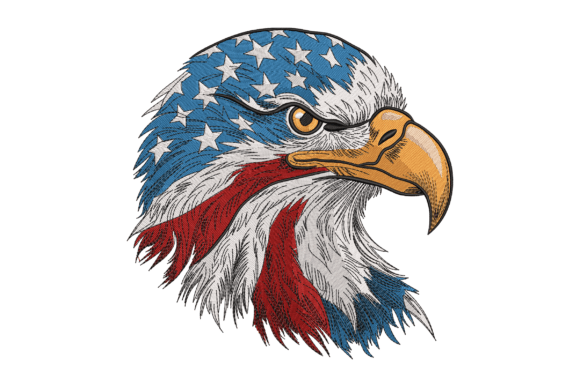
American Flag Eagle Embroidery Design Review for Real Projects
As an experienced embroidery designer and product reviewer, I always look for designs that not only capture the eye but also perform reliably across a variety of real-world applications. The American Flag Eagle is one such design that stands out for its bold symbolism and versatile appeal. Let’s take a closer look at how it fits into practical embroidery projects, where it shines, and where you might want to tread carefully.
First Impressions: Bold and Patriotic
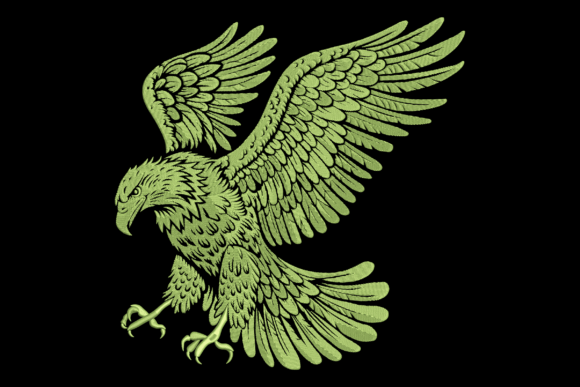
The moment I opened the American Flag Eagle embroidery file, I was struck by its strong visual presence. The eagle is rendered with confident lines and layered textures—its wings spread wide, eyes sharp, and talons gripping the American flag with precision. This isn’t just any patriotic emblem; it’s a statement piece. The theme feels both classic and contemporary, making it suitable for a broad range of products from casual wear to formal gifts.
Its layout is well-balanced, with the eagle positioned centrally and the flag flowing naturally around it. The level of detail is impressive without being overwhelming, which is a big plus for machine embroidery. There are subtle gradients in the feathers and the red and blue sections of the flag, achieved through clever stitch placement rather than heavy fill patterns. That’s a mark of a good design—it tells a story without overcomplicating the process.
Real-Life Use: Where It Works Best
I recently considered using this design for a custom sweatshirt order for a client who runs a small military-themed boutique. The American Flag Eagle would have made a powerful addition to their line. On medium-weight cotton blends, the design holds up beautifully, especially when using quality thread colors. The contrast between the flag’s stars and stripes and the eagle’s dark body really makes it pop.
For tote bag designs, the eagle’s dynamic shape works well on front-facing placements. I imagine it looking great as a large-scale design on a canvas tote, especially if paired with minimalist text like “Proud” or “Freedom.” For smaller items like aprons or tea towels, the design still maintains its impact, though scaling down requires careful attention to stitch density and fabric type.
This design could also be adapted into an embroidered patch, perfect for adding to backpacks, jackets, or even denim vests. The structure of the design supports clean outlines and solid fill areas, which are essential for patches that need to hold up through multiple uses and washes.
Visual Appeal and Customer Reaction
What sets the American Flag Eagle apart is its emotional resonance. It doesn’t just look good—it feels meaningful. Customers tend to gravitate toward symbols of pride and heritage, especially during holidays like Independence Day or Memorial Day. In my experience, designs that evoke a sense of identity or belonging often lead to better buyer engagement and higher perceived value.
On handmade products, this design adds a layer of professionalism. Whether you're creating personalized gifts or branding your own craft business, having a design that looks polished and intentional can significantly boost customer trust. It’s the kind of detail that turns a simple item into something memorable.
Where to Be Cautious
While the American Flag Eagle is a strong contender for many projects, there are a few situations where it may not perform as expected. First, if you’re working with a very small hoop size, the eagle’s intricate features could become distorted. You’ll want to confirm the recommended minimum hoop size before starting any project, especially if you plan to sell finished items or digital embroidery files.
Textured fabrics can also present challenges. The fine lines in the eagle’s wings and the flag’s details may lose clarity on materials like flannel or corduroy. Similarly, stretchy or thin fabrics may cause some stitch distortion unless you use a stabilizer that matches the fabric’s needs.
If you’re planning to embroider onto curved surfaces like caps or hats, consider whether the design will maintain its integrity after resizing and warping. I’ve seen similar designs struggle with proportion issues in these scenarios. Always test the design on a sample surface before mass production.
Stitch Clarity and Fabric Considerations
One thing I noticed while reviewing the design is that the stitch density varies depending on the section. The eagle’s body has denser fill stitches, while the flag’s background is more open, allowing for flexibility in different fabric types. However, if you’re using a very dark fabric, the flag’s white elements may not show up clearly unless you pair them with a high-contrast backing or choose a light-colored base material.
Also, keep in mind that the design includes small details—like the eagle’s eyes and the flag’s stars—that require precision stitching. These won't hold up well if you skip the step of testing the design on scrap fabric first. A quick trial run can save you time and help avoid potential issues like skipped stitches or uneven tension.
Design Notes for Embroidery Professionals
- Test on scrap fabric first: Especially if you're planning to scale the design or use it on textured or stretchy materials.
- Check thread color contrast: Ensure the red, blue, and white elements stand out clearly against your chosen fabric background.
- Review stitch density: Areas with dense fill stitches (like the eagle’s chest) may require additional stabilizer or adjustment to prevent puckering.
- Confirm hoop size: This design benefits from a generous workspace to allow full expression of its details.
- Inspect small details: The eagle's eyes and flag stars are delicate—test them thoroughly to ensure they stitch cleanly.
- Use proper stabilizer: Especially important for lightweight or stretchy fabrics to maintain shape and clarity.
- Consider black and white mockups: Before finalizing a product, see how the design translates without color to gauge its readability and impact.
- Compare light and dark backgrounds: The design’s visibility changes dramatically based on fabric tone.
- Check commercial licensing: If you plan to sell finished products or digital embroidery files, make sure the design allows for that usage.
Project-Specific Recommendations
Here are a few specific recommendations based on common embroidery applications:
- Sweatshirts and T-Shirts: Ideal for chest placements. Use a light-colored garment for best visibility and a medium-heavy weight fabric to support the design’s density.
- Baby Clothes: While the eagle itself is too intense for infant wear, a simplified version or smaller scale could work for toddler hoodies or onesies. Keep the flag elements soft and non-aggressive for a more gentle, patriotic touch.
- Pillow Covers and Tea Towels: These are excellent candidates for holiday embroidery or nursery decor. The design’s structure adapts well to home décor items and adds a sense of occasion.
- Etsy Listings and Craft Business Merchandise: Pair this design with complementary typography or icons for cohesive branding. Its strong visual identity can help establish a professional look for your shop.
- Printable Mockups and Digital Previews: When showcasing the design online, use high-quality mockups to highlight how the eagle and flag interact with different garments and colors.
Final Thoughts: A Thoughtful Addition to Your Embroidery Kit
In conclusion, the American Flag Eagle is a standout embroidery design that brings a strong sense of patriotism and pride to any project. Its boldness and clarity make it a natural fit for military-themed apparel, gift items, and branding within the North America market. As a designer, I appreciate how it balances detail with stitchability, offering enough complexity to feel special without being overly demanding.
That said, it’s not a one-size-fits-all solution. Careful consideration of fabric type, hoop space, and intended use is necessary to ensure it performs at its best. But when done right, this design can elevate the visual appeal and emotional depth of your finished products, helping your brand connect more deeply with customers who share those values.
Whether you're a hobbyist exploring new themes or a small shop owner building a seasonal collection, the American Flag Eagle is worth adding to your repertoire—if you’re ready to put in the prep work to match it with the right project.