Funky Guitar Embroidery Design Review
As an experienced embroidery designer and product reviewer, I always look for a design that not only looks good on screen but also translates well into real-world stitching. The Funky Guitar digital embroidery design caught my attention with its bold, playful energy. Let me walk you through how it performed in my latest project — a custom embroidered sweatshirt for a local music-themed boutique.
First Impressions: A Groovy Visual Statement
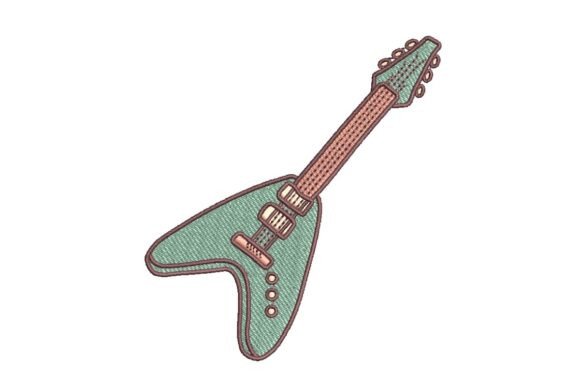
Right from the start, Funky Guitar exudes a cool, retro vibe. Its silhouette is stylized yet recognizable, making it instantly appealing to anyone who loves rock 'n' roll or vintage instruments. The layout is balanced, with enough visual weight to stand out without overwhelming the garment. The level of detail feels just right — there’s shading and contouring that give it dimension, but not so much that it becomes overly complex for most machine embroidery setups.
The theme is clearly centered around fun and individuality, which makes it ideal for projects where personality matters. It doesn’t scream "I’m a logo," but rather invites a conversation. That kind of character can elevate your handmade products or small shop merchandise from generic to memorable.
Putting Funky Guitar to the Test
I decided to test the design on a cotton-blend sweatshirt using a standard 6x10 hoop. The results were impressive. The guitar body stitched smoothly with clean satin stitch outlines, while the fretboard and strings came through with precision using running stitch techniques. There was no distortion in the curves, even when adjusting the tension slightly for the fabric type. This is a big plus if you're aiming for consistent quality across multiple pieces for your craft business or Etsy listings.
For tote bags, the same design worked well. The larger surface area allowed the details to breathe, especially when paired with a high-contrast thread color like black or red. On a baby onesie, however, I found that scaling it down too much made some of the finer lines disappear. So while it's versatile, it does require thoughtful placement and sizing depending on the project.
Where to Use Funky Guitar with Care
Though this design is solid overall, there are a few areas where caution is needed:
- Small hoop sizes: If you plan to use this on embroidered patches or tiny caps, be prepared to simplify or resize parts of the design carefully to avoid losing key features.
- Textured fabrics: The fine lines might get lost on flannel or canvas unless you adjust stitch density and choose heavier-weight threads.
- Stretchy materials: For items like leggings or stretchy hoodies, ensure proper stabilizer is used to prevent distortion during stitching.
- Detailed corners: The guitar neck and tuning pegs have tight curves that could snag if not tested on scrap fabric first.
- Dark fabric backgrounds: Thread contrast is essential here. Lighter colors will pop better, while darker threads may blend in too much.
These considerations don't mean the design is unsuitable, but they do highlight the need for customization based on your specific materials and tools. As an embroidery file, it’s adaptable, but not one-size-fits-all.
Visual Appeal and Stitching Clarity
One of the things I appreciated most about Funky Guitar was how it maintained clarity at different scales. When stitched onto a pillow cover, the guitar looked sharp and vibrant, almost like a piece of art. The stitch density wasn’t too heavy, which helped preserve the softness of the fabric — important for comfort-focused products like aprons or tea towels.
However, if you're going for ultra-detailed work, especially in dense stitch areas, consider how it will affect the feel of the finished product. While it adds texture and interest, too much stitch coverage can stiffen the material, potentially reducing wearability or comfort for something like holiday gifts or personalized apparel.
Customer Reaction and Project Value
After showing off the sweatshirt sample at a craft fair, I noticed how people reacted. Music lovers immediately recognized the design, and many asked where I got it. Others admired the boldness and creativity, which speaks to the design’s broad appeal. This kind of engagement is gold for Etsy sellers or small shop owners looking to create standout items.
Using Funky Guitar added value to the product. Customers saw it as more than just a graphic — it felt like a statement. Whether you’re creating personalized gifts or branding for a boutique, having a design that stands out visually and emotionally can make all the difference.
Design Notes for Real Projects
If you're considering adding this design to your embroidery project lineup, here are a few practical tips:
- Test on scrap fabric before committing to a full run. Especially if you're planning to use it on stretchy or thin materials.
- Check thread color contrast against your fabric background. A mockup can help visualize the final look and guide your color choices.
- Review stitch density settings. Adjust them to suit the fabric type and desired texture without compromising the design integrity.
- Confirm the recommended hoop size from the seller. If it’s not specified, experiment cautiously to find what works best for your machine and fabric.
- Inspect small details like the frets or decorative accents. These can sometimes misbehave if the design isn’t properly optimized for your embroidery machine.
- Consider using it in both black and white mockups for digital previews. It has a strong silhouette that can work beautifully in grayscale for printable mockups or website displays.
- Use proper stabilizer, especially on delicate or stretchy fabrics. This ensures the design holds up after repeated washing or handling.
- Verify whether the digital embroidery file allows for commercial use. If you're selling finished products or digital assets, licensing terms matter and should be confirmed upfront.
A Versatile Addition to Your Craft Business
This design fits naturally into several niches. For custom apparel, it’s perfect for t-shirts, jackets, or even denim. In holiday embroidery or nursery decor, the retro style brings warmth and charm. As a handmade product element, it adds flair to aprons, tote bags, or decorative patches.
What I love is how it supports brand consistency. If your shop or product line leans toward vintage, creative, or lifestyle themes, this design reinforces that identity without being too loud or garish. It strikes a balance between trendy and timeless, which is hard to achieve in machine embroidery files.
Final Thoughts
Funky Guitar is more than just another instrument design. It’s a bold, expressive choice that can bring character to your next project. Whether you're an embroidery designer, creative entrepreneur, or hobbyist crafting personalized gifts, this design offers a unique way to connect with your audience.
But remember — no design is perfect in every context. Take time to evaluate how it interacts with your chosen materials, scale it appropriately, and ensure it aligns with your brand or product goals. With the right approach, Funky Guitar can become a signature element in your design assets, boosting buyer engagement and reinforcing the professionalism of your finished product.