Donkey Line Art: A Timeless Embroidery Design for Small Business Branding
As an experienced embroidery designer, I often find myself evaluating new digital embroidery files to determine their suitability for branded merchandise. When I first encountered the Donkey Line Art design, its description immediately caught my attention—“Bring a touch of elegance to your embroidery projects with this beautifully detailed Donkey Embroidery Design.” That phrase alone suggested a level of sophistication and versatility that could appeal to small businesses across various industries.
First Impressions: Elegant and Handmade Vibe
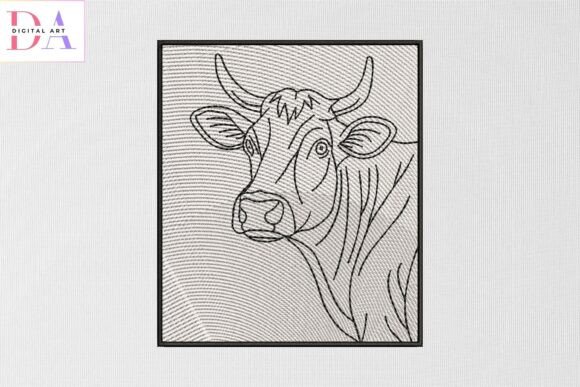
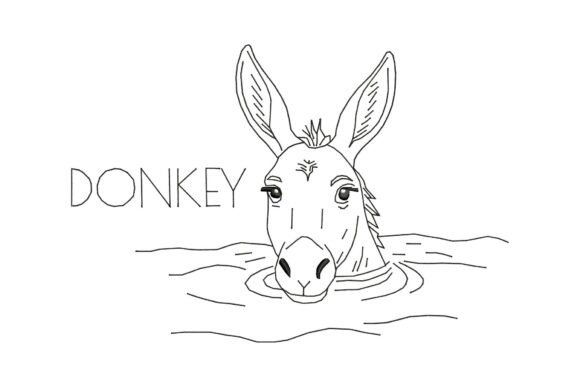
The Donkey Line Art presents itself as a clean, minimalist yet richly detailed machine embroidery design. The line art style gives it a classic and slightly rustic feel, while the precision in outlining suggests a modern, professional approach. This duality makes it ideal for businesses that want to project a handmade product aesthetic without sacrificing polish or scalability. It feels like something you’d see on a boutique’s custom apron or a café's tote bag—friendly, yet premium enough to elevate the finished product.
Real-World Application: From Patches to Tote Bags
One of the most exciting aspects of this design is how well it translates into various commercial applications. As a machine embroidery design, it works beautifully as an embroidered patch for staff uniforms or customer gifts. Its elegant lines are especially effective when stitched in black thread, making it a versatile choice for both light and dark fabrics.
- Staff Uniforms: The donkey motif can serve as a subtle chest logo accent or a more prominent sleeve detail, depending on the business theme. For a creative studio or farm-to-table bakery, this adds charm without being over the top.
- Aprons and Work Shirts: The design’s structure lends itself well to apron embroidery, where a small but recognizable icon can represent brand identity at a glance. It also looks great on work shirts in a muted tone, helping maintain a professional appearance.
- Caps and Hats: Placed on the front of a cap, it brings a playful yet refined element to branding. However, due to the nature of curved surfaces, it’s important to test placement carefully to avoid distortion.
- Tote Bag Designs: Whether used as a central graphic or a corner accent, Donkey Line Art enhances the visual appeal of reusable totes. It pairs particularly well with natural cotton fabrics, reinforcing a handmade and eco-conscious brand image.
This design also has potential for use on product packaging accents, such as labels or tags. It can subtly reinforce brand recognition while maintaining a decorative edge that appeals to customers looking for artisanal touches.
Design Flexibility and Brand Consistency
What stands out about Donkey Line Art is its ability to remain visually consistent across different sizes and placements. For small business merch, this is crucial. You need a design that looks good whether it’s scaled down to a 2-inch patch or expanded for a large canvas. The line-based structure helps preserve clarity even at smaller dimensions, though—as always—it’s wise to test it in black and white before finalizing color choices.
Its adaptability extends to thread colors. While the default file may be monochrome, using colored threads can give it a more vibrant look suitable for boutiques or craft stores. Just ensure there’s enough contrast against the fabric to keep it legible and eye-catching.
Where Caution Is Advised
Despite its many strengths, the Donkey Line Art isn’t suited for every application. Here are some areas where careful consideration is necessary:
- Small Patch Sizes: While the design is scalable, intricate details might get lost in patches under 1.5 inches. Always test stitch density and spacing at the intended size.
- Curved Surfaces: On caps or curved parts of apparel, the design may require adjustments to align properly. Using a proper stabilizer is key here to prevent puckering or misshaping.
- Textured Fabrics: If you plan to use this on denim, burlap, or other coarse materials, consider simplifying the design or adjusting the stitch count to accommodate the fabric texture.
- Dark Uniforms: Monochrome designs can struggle with visibility on darker backgrounds. Opt for lighter thread colors or add a contrasting outline if needed.
- Frequent Washing: Due to high stitch density in some areas, frequent washing may cause wear over time. Recommend durable thread types and pre-treat fabrics accordingly.
Impact on Brand Identity and Customer Engagement
Incorporating Donkey Line Art into your brand identity strategy can help create a memorable visual presence. The donkey, traditionally associated with hard work and reliability, becomes a symbol that resonates with values like authenticity and craftsmanship—perfect for local businesses aiming to build customer trust through branding.
From a marketing perspective, the design’s elegant and timeless look contributes to a higher perceived value of your products. Whether it’s on a custom apron or a hand-stitched tote bag, the presence of this farm animal-themed embroidery elevates the overall presentation. Customers tend to engage more with items that feel unique and purposefully designed, which this file delivers.
Embroidery Designer Tips for Implementation
Before integrating Donkey Line Art into any commercial embroidery project, here are some practical steps to follow:
- Test in Black and White: Start by stitching it in one thread color to evaluate how it looks on your chosen fabric.
- Check Small Patch Performance: Ensure that the design remains clear and recognizable at the smallest size you intend to use.
- Review Thread Color Contrast: Choose thread colors that stand out against your fabric base, especially for logos and labels.
- Inspect Spacing and Outlines: Look closely at how the lines are spaced; overly close stitches can lead to gaps or breaks during production.
- Confirm Hoop Size: Depending on your embroidery machine, verify that the design fits within the hoop size you plan to use.
- Use Proper Stabilizer: Especially on stretchy or thin fabrics, using the right stabilizer will prevent distortion and ensure quality results.
- Create a Printable Mockup: Before sending it to production, generate a mockup so clients can visualize the final product accurately.
- Compare with Other Design Assets: Make sure it complements your existing logo or branding elements for visual consistency.
- Verify Commercial Licensing: Since the original product description doesn’t specify license terms, always check the provider’s policy before using it in bulk or resale projects.
Final Thoughts on Donkey Line Art for Branded Merchandise
Overall, Donkey Line Art is a standout embroidery file for those seeking a balance between simplicity and sophistication. Its line-art format allows for creative freedom in thread selection and placement, while its inherent elegance supports a wide range of brand personalities—from rustic farm shops to urban lifestyle brands.
For custom apparel creators, Etsy sellers, and small business owners looking to add a distinctive touch to their merchandise, this design offers a fresh way to communicate your story through visuals. Just remember to tailor it to your specific needs, ensuring it maintains its integrity across all applications.
If you’re considering adding a farm animals theme to your branding but want something that feels more curated than cartoonish, Donkey Line Art is worth exploring. It’s not just another embroidery design—it’s a thoughtful asset that can enhance your brand recognition and bring a quiet confidence to your handmade product offerings.